We are one of the few companies in the world capable of providing a complete range of off-the-shelf High Voltage DC/DC converters for Space and High Reliability applications.
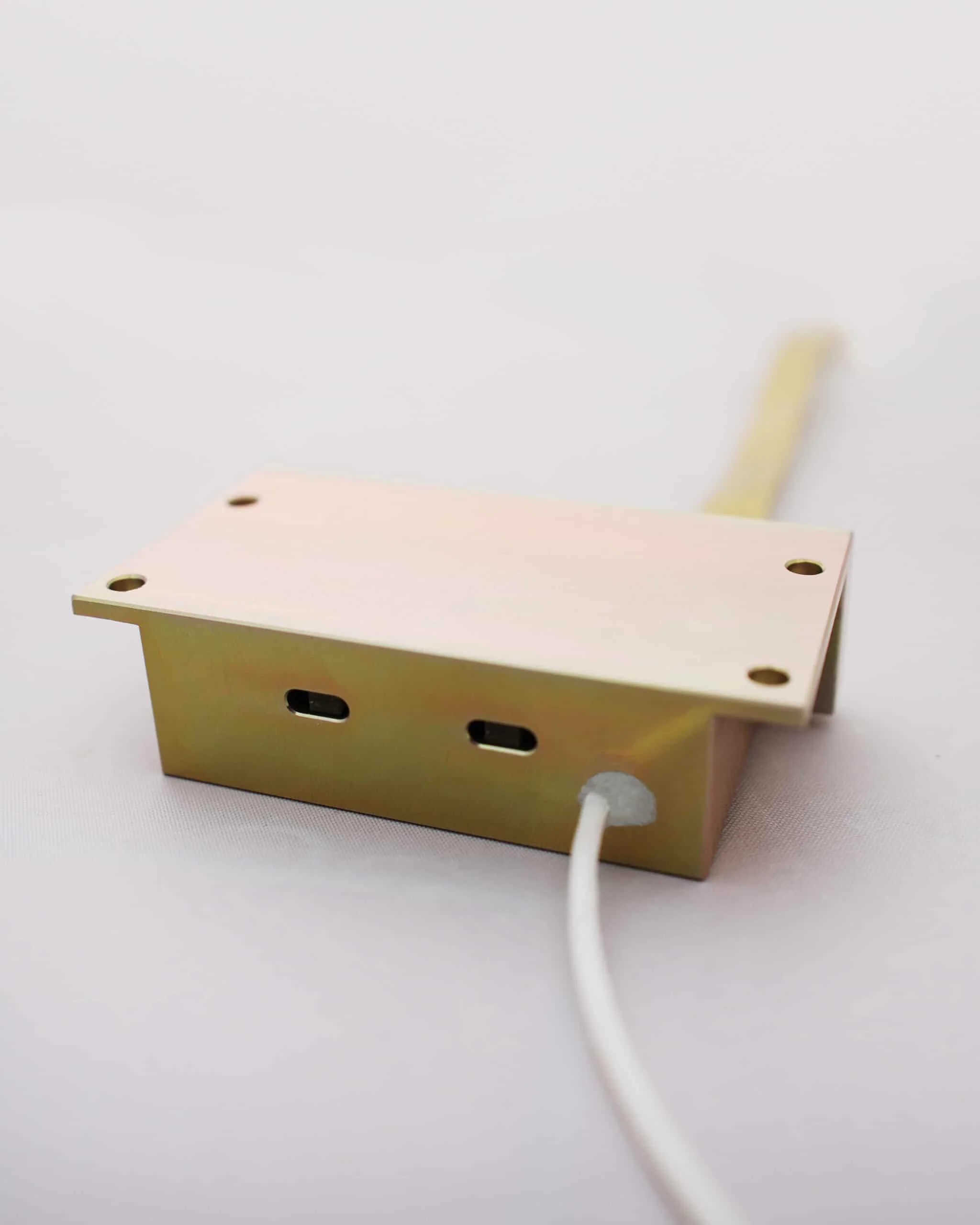
HV3 series. From ±150 V to ±6000 V. Input +12 V ±10%. Positive and negative configurations. Technical manuals available upon request.
150 V – 6000 V ITAR-FREE Space Qualified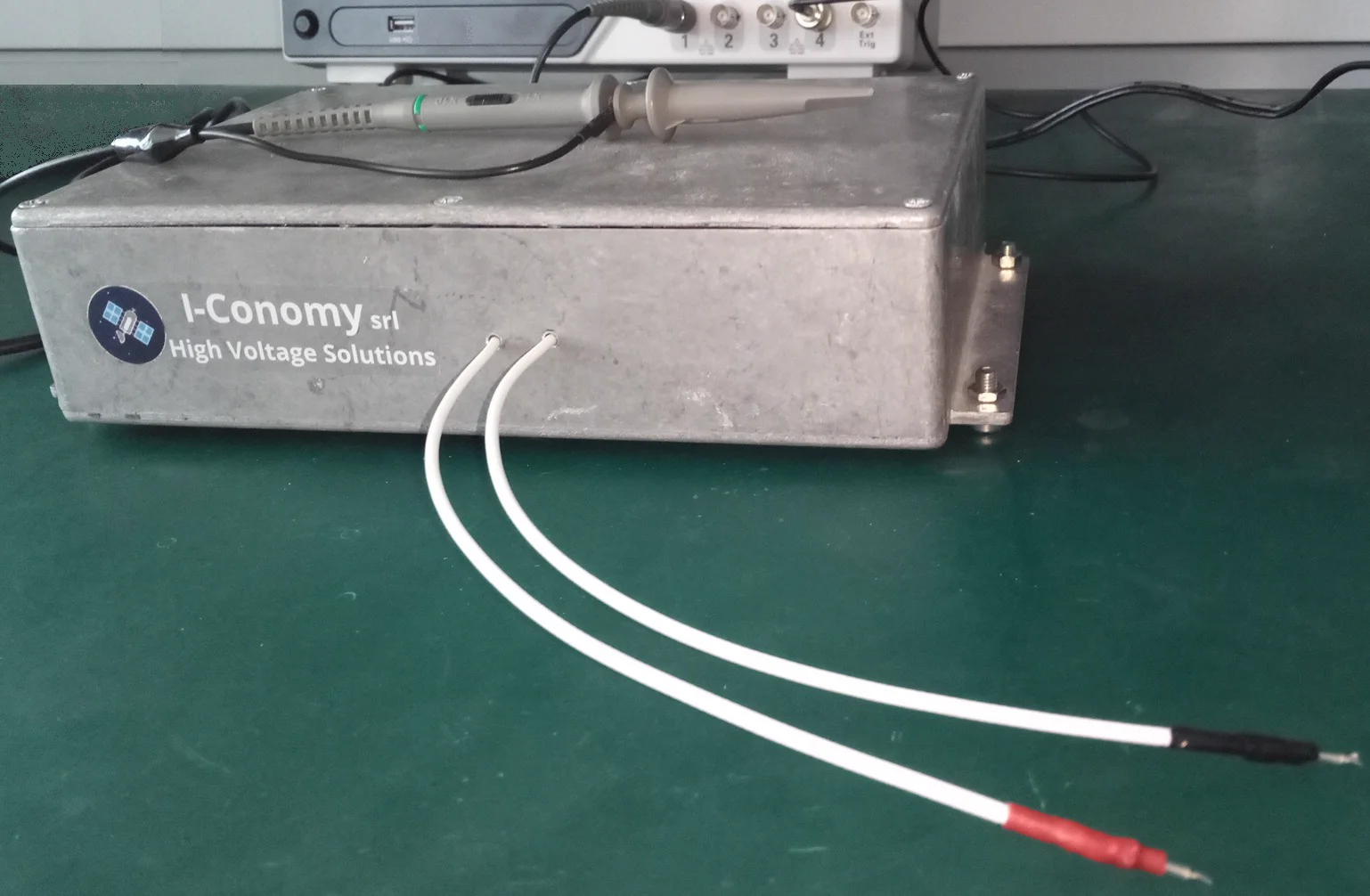
4-quadrant fast and very low noise HV power supply systems. −700 V to +700 V. Capable of both supplying and absorbing current.
4-Quadrant Very Low Noise Capacitive Loads to 25 nF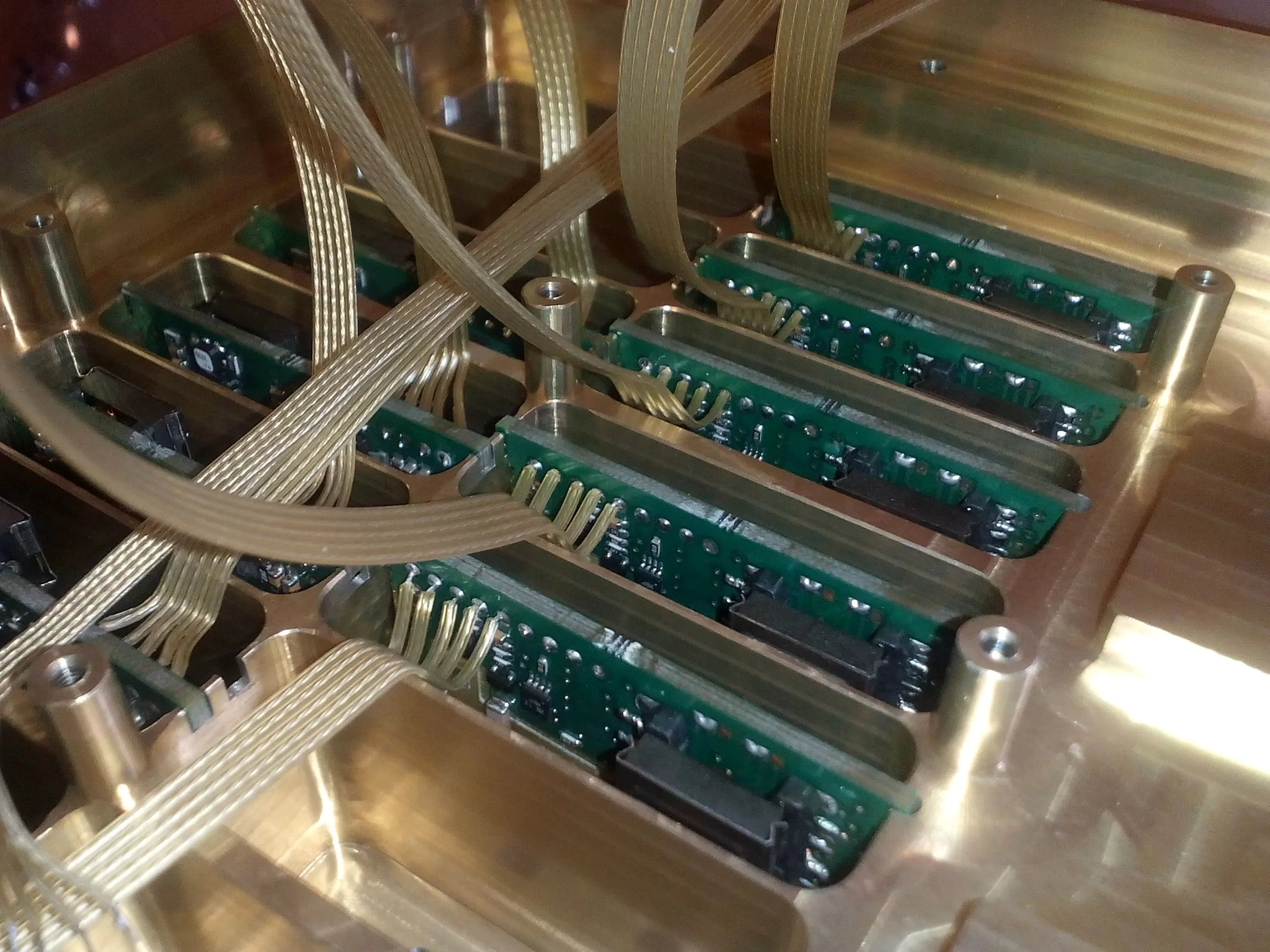
Full systems with custom aluminium housing, electronic control board and HV cables. Standard or bespoke HV modules. Tailored to mission specifications.
Custom Housing Custom Control Board Space & GroundSpecifier's questions
The HV3 series covers ±150 V, ±200 V, ±1200 V, ±3000 V, ±3500 V and ±6000 V as catalogue part numbers. Output current ranges from 50 µA at 3500 V to 1.2 mA at 150 V. Voltages outside this list are supplied as custom single channel modules.
Yes. The supply chain and component selection are European, so programmes using these modules are not subject to US export restrictions. This is a design constraint, not an afterthought — it drives which parts enter the bill of materials.
The HV DC/DC converter family shares most of its active components, and those components have been successfully tested for Total Dose up to 30 krad. Sharing parts across the family also shortens lead times, because stock covers a limited number of items in larger quantities.
Phototubes (PMT), avalanche photodiodes (APD), silicon photomultipliers (SiPM) and silicon detectors — in high energy physics, astrophysics, neutrino physics, dark matter searches, nuclear physics, material science, medical, homeland security, military and industrial use.
They are specified to operate in any vacuum condition, not merely to survive a test. Coating and potting materials, PCB routing and 3D mechanical finishing are all selected against discharge, so outgassing in orbit cannot trigger corona effects.
+12 V ±10% across the whole single channel family, in both positive and negative output configurations. Standard modules ship in aluminium boxes with four mounting holes; the low power box measures 66.0 × 35.5 × 17.8 mm and weighs about 81 g.
Over 3,000 flight models delivered with a 100% success rate. 62 HV3 −1200 V modules have been in orbit on CSES-01 since February 2018, 80 modules were delivered for CSES-02, and three four-quadrant ±700 V systems drive the IBIS 2.0 interferometer at INAF.
Send the mission profile — output voltage, current, load and environment. The answer is either a catalogue part number or a proposal for a custom module or complete system, with machined housing, control board and HV cables. Prices and lead times stay competitive.